You may have heard about the “threat of biodiversity loss” on social media, the news, or on the radio. Biodiversity loss is not just a mere threat; it is one of the most pressing challenges that our planet faces today [1]. It is the hushed disappearance of plants, animals, and microorganisms that play crucial roles in the intricate dance of ecosystems. The loss of species and ecosystems has far-reaching consequences that affect our environment, human well-being, and the stability of the global ecosystem. It is crucial to communicate the severity and urgency of this issue to foster public understanding and drive action. However, effectively conveying the complexities of biodiversity loss is no easy feat. This article delves into the key factors that pose challenges in communicating biodiversity loss, such as the intricacy of the issue, the lack of public awareness and understanding and the need to balance scientific accuracy with accessibility to a wide audience.
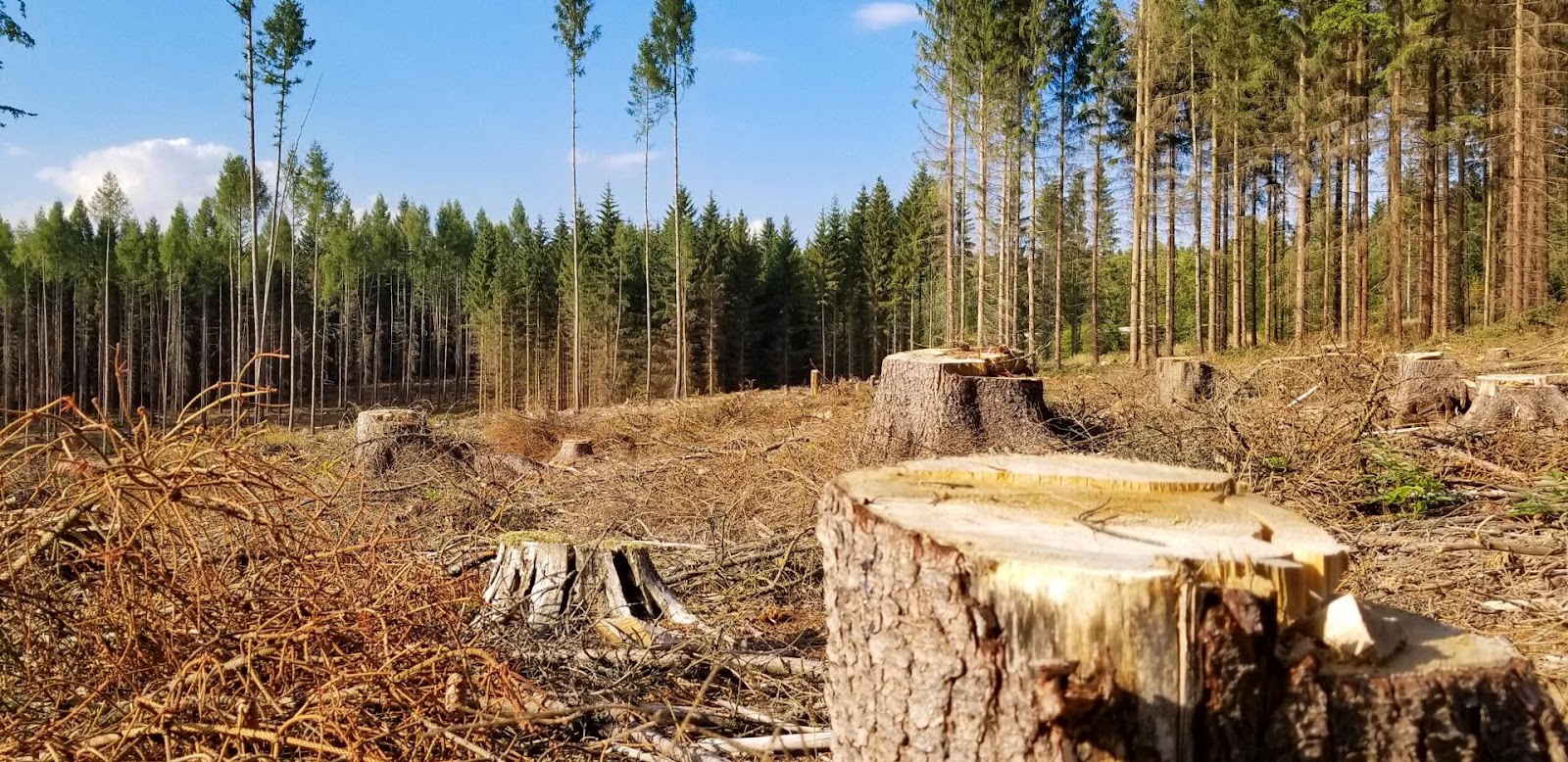
Let me give you an example based on research about how complex of an issue biodiversity loss is. We’re all familiar with the Amazon Rainforest, right? The Amazon Rainforest, primarily located in South America, spans across nine countries: Brazil, Peru, Colombia, Venezuela, Ecuador, Bolivia, Guyana, Suriname, and French Guiana, and is widely known for its unparalleled biodiversity [2]. It is home to a vast array of plant and animal species, many of which are found nowhere else on Earth. It’s estimated that around 10% of the known species on Earth reside in the Amazon but now, it has been facing severe deforestation due to activities like logging, agriculture, and infrastructure development [3]. Biodiversity loss is often most apparent and impactful to those living nearby, but its consequences can ripple far beyond borders. For example, we know the Amazon Rainforest absorbs more greenhouse gasses than any other forest on land [4] , so loss of Amazon trees speeds up the rise in greenhouse gasses in Earth’s atmosphere. As the trees vanish, so does the Amazon’s capacity to regulate the Earth’s climate. The once lush lungs of our planet now gasp for breath, releasing vast amounts of carbon dioxide into the atmosphere.

One of the most significant challenges in communicating biodiversity loss lies in the lack of public awareness and understanding of the issue. While some individuals and environmentalists are well-informed, many are unfamiliar with biodiversity and its significance. Biodiversity, which stands for “biological diversity,” is like nature’s library, filled with an incredible variety of life forms. It includes everything from tiny bugs to giant trees, colorful flowers, fish in the ocean, and even the microbes we can’t see. This diversity makes our planet special and provides us with a wide range of benefits. For example, it ensures the food we eat, the medicines we use, and the clean air and water we depend on. Biodiversity also helps ecosystems function smoothly, like pieces in a puzzle. When any part of this puzzle is lost, it can disrupt the balance and cause problems. That’s why biodiversity is significant for everyone: it’s the web of life that supports us and makes Earth a vibrant and healthy place to live [2,3]. Thus, to address this, communication efforts should focus on education and raising awareness about the value of biodiversity and the potential consequences of its loss. Utilizing various platforms, such as social media, documentaries, and school programs, can help broaden the reach of this critical message.
Balancing scientific accuracy with accessibility when talking about biodiversity loss is crucial because it helps everyone understand why it matters. Imagine explaining a complex idea in simple words, like telling a story. This is important because biodiversity loss affects us all, from the plants and animals we share on the planet, to the food and air we eat. Scientific jargon and technical language can be alienating to the general public and policy-makers, yet technical language is often necessary to convey scientific findings with accuracy and precision. When we use clear and easy-to-understand language, relatable examples (like talking about how losing bees impacts our crops), and pictures or graphs to show the information, more people can grasp why biodiversity is important and what’s at stake. This isn’t about making things too simple, but about making sure everyone can be part of the conversation and make informed choices to protect our environment. Plus, when we communicate this way, we’re less likely to spread wrong information, and it helps people from different backgrounds and languages join in, too. So, it’s all about teamwork and finding the right balance of accuracy and accessibility to involve everyone in caring for our planet. There are many useful resources available to help achieve this balance such as organizations such as Compass, who aim to support scientists in their communication and engagement with the public. Additionally books such as “Don’t be Such a Scientist” or “Escape from the Ivory Tower” and online resources, such as this and this, exist to equip scientists with the tools they need to effectively convey information in a way that is informative and accessible.
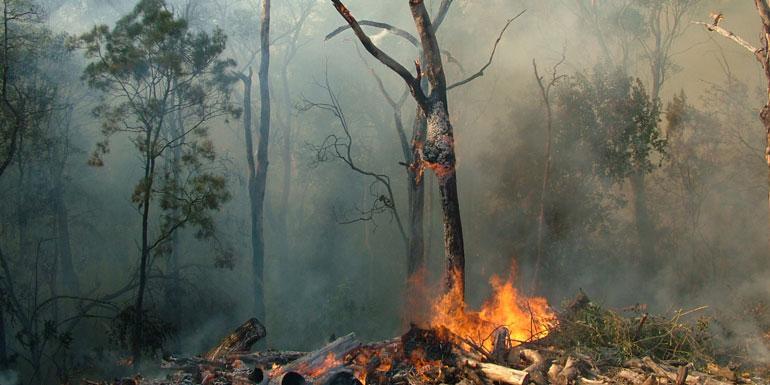
Effectively communicating biodiversity loss is often difficult, but vital in our battle against environmental degradation. The multifaceted nature of the issue, combined with insufficient public awareness, a lack of urgency, and the delicate task of balancing scientific precision with accessibility, demands thoughtful and strategic approaches to engage a diverse audience successfully.
Engaging a diverse audience on biodiversity loss can be achieved through various thoughtful and strategic approaches. For instance, in urban areas, organizing community-based “biodiversity walks” allows people of all backgrounds to explore local parks and understand the importance of urban green spaces [5]. Collaborating with schools to create age-appropriate curricula and interactive lessons on biodiversity ensures that young learners are engaged and informed from an early age [6]. To reach non-English speakers, producing multilingual brochures and hosting bilingual workshops helps break language barriers [7]. Additionally, involving indigenous communities in biodiversity conservation initiatives, respecting their traditional knowledge, and co-designing strategies based on their insights ensures inclusivity and enriches conservation efforts [8,9]. Finally, employing the power of social media and online campaigns to share success stories and practical tips on how individuals can contribute to biodiversity conservation makes engagement accessible and global. These approaches cater to various audiences’ diverse needs and interests, fostering a sense of collective responsibility for protecting our planet’s biodiversity.
By acknowledging and addressing these challenges and recognizing the impact of our communication decisions, we can foster a well-informed and proactive global community dedicated to safeguarding and revitalizing biodiversity for present and future generations. Together, we possess the capacity to effect positive change for our planet and all its inhabitants. Can we afford to remain silent on biodiversity loss, or will our collective actions determine the fate of life on Earth?
Assaf Levy is a tech guy who turned green after 25 years as an entrepreneur (mainly in digital marketing) and investor in tech/internet. He started BioDB because he felt that there is severe under-coverage of the catastrophic biodiversity loss we are facing in the last few decades on mainstream media and social networks. Biodb.com is a newly launched non-profit platform that aims to 1. Accumulate conservation data, 2. Raise awareness of wildlife extinction in the general public, 3. Raise funds for selected NGOs
References:
[1] Cardinale, Bradley J., J. Emmett Duffy, Andrew Gonzalez, David U. Hooper, Charles Perrings, Patrick Venail, Anita Narwani, et al. “Biodiversity Loss and Its Impact on Humanity.” Nature 486, no. 7401 (June 2012): 59–67. https://doi.org/10.1038/nature11148.
[2] Bass, Margot S., Matt Finer, Clinton N. Jenkins, Holger Kreft, Diego F. Cisneros-Heredia, Shawn F. McCracken, Nigel C. A. Pitman, et al. “Global Conservation Significance of Ecuador’s Yasuní National Park.” PLOS ONE 5, no. 1 (January 19, 2010): e8767. https://doi.org/10.1371/journal.pone.0008767.
[3] Mittermeier, R. A., C. G. Mittermeier, T. M. Brooks, J. D. Pilgrim, W. R. Konstant, G. A. B. da Fonseca, and C. Kormos. “Wilderness and Biodiversity Conservation.” Proceedings of the National Academy of Sciences 100, no. 18 (September 2, 2003): 10309–13. https://doi.org/10.1073/pnas.1732458100.
[4] Zaman, Khalid. “Environmental Cost of Deforestation in Brazil’s Amazon Rainforest: Controlling Biocapacity Deficit and Renewable Wastes for Conserving Forest Resources.” Forest Ecology and Management 504 (January 15, 2022): 119854. https://doi.org/10.1016/j.foreco.2021.119854.
[5] Marselle, Melissa R., Katherine N. Irvine, Altea Lorenzo-Arribas, and Sara L. Warber. “Does Perceived Restorativeness Mediate the Effects of Perceived Biodiversity and Perceived Naturalness on Emotional Well-Being Following Group Walks in Nature?” Journal of Environmental Psychology 46 (June 1, 2016): 217–32. https://doi.org/10.1016/j.jenvp.2016.04.008.
[6] Lindemann-matthies, Petra. “The Influence of an Educational Program on Children’s Perception of Biodiversity.” The Journal of Environmental Education 33, no. 2 (January 1, 2002): 22–31. https://doi.org/10.1080/00958960209600805.
[7] Copp, G. H., Vilizzi, L., Wei, H., Li, S., Piria, M., Al-Faisal, A. J., Almeida, D., Atique, U., Al-Wazzan, Z., Bakiu, R., Bašić, T., Bui, T. D., Canning-Clode, J., Castro, N., Chaichana, R., Çoker, T., Dashinov, D., Ekmekçi, F. G., Erős, T., … Mendoza, R. (2021). Speaking their language – Development of a multilingual decision-support tool for communicating invasive species risks to decision makers and stakeholders. Environmental Modelling & Software, 135, 104900. https://doi.org/10.1016/j.envsoft.2020.104900
[8] Ogar, Edwin, Gretta Pecl, and Tero Mustonen. “Science Must Embrace Traditional and Indigenous Knowledge to Solve Our Biodiversity Crisis.” One Earth 3, no. 2 (August 21, 2020): 162–65. https://doi.org/10.1016/j.oneear.2020.07.006.
[9] Ansari, Dawud, Regine Schönenberg, Melissa Abud, Laura Becerra, Wassim Brahim, Javier Castiblanco, Anne Cristina de la Vega-Leinert, et al. “Communicating Climate Change and Biodiversity Loss with Local Populations: Exploring Communicative Utopias in Eight Transdisciplinary Case Studies.” UCL Open: Environment Preprint, July 18, 2022. https://doi.org/10.14324/111.444/000176.v1.
Additional Resources:
- Rafferty, John P.. “biodiversity loss”. Encyclopedia Britannica, 25 Aug. 2023, https://www.britannica.com/science/biodiversity-loss.
- de Lange E, Sharkey W, Castelló y Tickell S, Migné J, Underhill R, Milner-Gulland EJ. Communicating the Biodiversity Crisis: From “Warnings” to Positive Engagement. Tropical Conservation Science. 2022;15. doi:10.1177/19400829221134893
- Shymanska, Lily. “Why is communicating about biodiversity so hard?” British Science Association, 19 May 2022, https://www.britishscienceassociation.org/blog/why-is-communicating-about-biodiversity-so-hard.
- Sandy, Matt. “Why Is the Amazon Rain Forest Disappearing?” Time, https://time.com/amazon-rainforest-disappearing/.
[Edited by Sabrina Mederos and Jessica Schaefer]
 theethogram.com